
The Connection Between Stress, Skin Health, and Lymphatic Flow
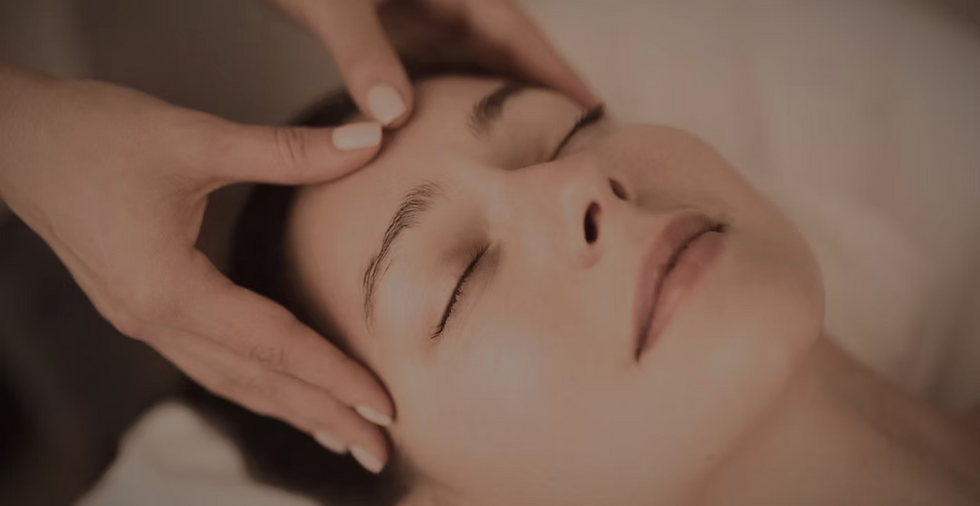
Stress has a way of showing up on the skin in both subtle and very visible ways. When the body is under ongoing stress, it produces higher levels of cortisol. This hormone can increase oil production, disrupt the skin’s barrier function, and slow processes such as repair and regeneration. Over time, this can lead to breakouts, dehydration, sensitivity, dullness, and a loss of resilience. Stress also affects circulation and lymphatic flow, so the skin may not receive nutrients as efficiently or clear waste as effectively, contributing to puffiness, congestion, and a tired appearance.
There is also a deeper layer to consider. The skin and nervous system are closely connected, so when the body is in a heightened state of stress, the skin often mirrors that internal tension. This can show up as inflammation, flare-ups of existing conditions, or a general sense that the skin feels unsettled or reactive. Stress often lives in the body in ways we do not always consciously notice, like breath-holding or shallow breathing, clenching the jaw, tightening the shoulders, or subtle bracing through the belly. Over time, these patterns can limit oxygenation, restrict healthy circulation, and contribute to stagnation in both the tissues and the lymphatic system.
Manual lymphatic drainage (MLD) helps the body gently shift out of this stress response. Through slow, rhythmic, and intentional touch, MLD encourages the parasympathetic nervous system, the state where the body can rest, repair, and restore. As the nervous system settles, cortisol levels can begin to regulate, creating a more supportive environment for skin health.
From a physiological perspective, the lymphatic system is responsible for moving lymph, a fluid that carries waste products, proteins, immune cells, and cellular debris away from tissues. Unlike the circulatory system, it does not have a central pump like the heart and relies on movement, breath, and gentle stimulation to flow efficiently. MLD uses very light, directional pressure to stretch the skin and stimulate the opening of initial lymphatic vessels, increasing lymph uptake and transport.
Research has shown that manual lymphatic techniques can enhance lymphangiomotoricity, the natural rhythmic contraction of lymph vessels, thereby helping them move fluid more effectively. This can help reduce interstitial fluid buildup, which is often seen as puffiness or swelling in the face. Improved lymph flow also supports immune function by assisting in the transport of immune cells and the filtration processes within lymph nodes.
Additionally, MLD has been associated with measurable shifts in the autonomic nervous system, including decreased heart rate and increased vagal tone, both of which are markers of a more regulated, restorative state. This shift not only supports overall well-being but also creates the internal conditions needed for the skin to repair and function optimally.
At the same time, MLD works directly with the lymphatic system to move stagnant fluid and support detoxification pathways. This can help reduce puffiness, improve circulation, and bring a clearer, more refreshed appearance to the skin. With consistent sessions, many people notice not only visible changes, but also a deeper sense of calm that carries beyond the treatment room.
In this way, MLD is not just a skin treatment but a way to support the whole system. When the body feels safe and supported, the skin often reflects that balance.

Comments